What Are Dental Implants?
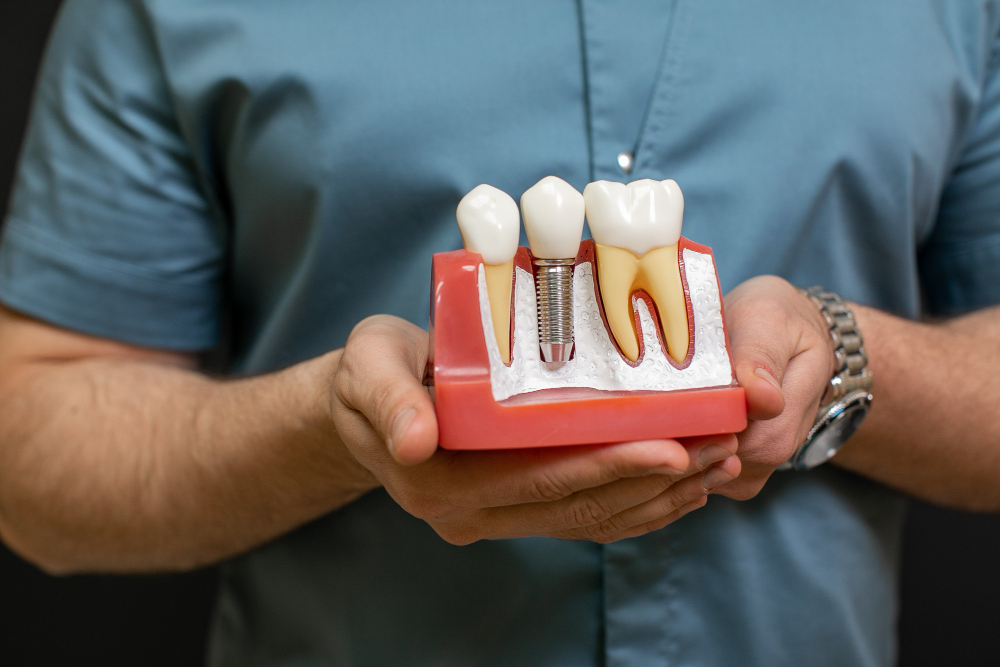
Dental implants are small posts made of metal. Dentists place them in your jawbone to replace missing teeth. Over time, the bone grows around the implant. This creates a strong base for a new tooth. Usually, a crown is placed on top to look and feel like a real tooth. Because dental implants act like natural teeth, they help you chew and speak better. According to the CDC, millions of people lose teeth each year. For many, dental implants are a safe and lasting solution.
Who Needs Dental Implants?
Many people can benefit from dental implants for missing teeth. However, not everyone is a candidate for dental implants. You may need implants if you:
For example, adults who have lost teeth due to injury or decay often consider implants. Children may need to wait until their jaw stops growing. Therefore, your dentist will check if you are a good candidate for dental implants.
Benefits of Dental Implants
Dental implants offer many advantages over other options. Some key benefits of dental implants include:
In addition, dental implants do not affect nearby teeth. This means you can keep your healthy teeth untouched. Many people choose implants for these reasons.
Reasons for Choosing Dental Implants
People choose dental implants for several reasons. First, they want a stable and lasting fix for missing teeth. Second, implants help prevent bone loss in the jaw. Third, they improve your smile and boost confidence. For example, if dentures feel loose or cause pain, implants may be a better choice. Also, dental implants for missing teeth can make eating and talking easier. Because of these reasons, more people are choosing implants each year.
Risks and Considerations
Although dental implants are safe, there are some risks. For instance, infection can occur after surgery. Sometimes, the implant may not bond with the bone. Smoking and some health problems can increase these risks. However, most people heal well and enjoy good results. Your dentist will discuss your health and explain any concerns. It is important to follow care instructions to lower risks.
How to Decide if Dental Implants Are Right for You
Deciding on dental implants is a big step. First, talk to your dentist about your needs. They will check your mouth and take X-rays. Next, they will see if you have enough bone for the implant. If not, a bone graft may help. Your dentist will also ask about your health and habits. For example, if you smoke or have diabetes, healing may take longer. Still, many people can get dental implants with the right care. Always ask questions and learn about your options.
Prevention and Oral Care Tips
Good oral care helps keep your implants and natural teeth healthy. To care for your mouth:
With these habits, you can help your dental implants last longer. Prevention is always better than cure.
In summary, dental implants offer a strong and lasting way to replace missing teeth. However, only a dental specialist can tell if they are right for you. Consult a dental specialist Dr. M.Y. Kiran Kumar to find out if dental implants are right for you.