
Introduction
Dental crowns are a common way to protect and restore damaged teeth. If you have a weak or broken tooth, dental crowns can help. They cover the tooth and make it strong again. Many people wonder when a tooth really needs this protection. In this blog, you will learn what dental crowns are, when they are needed, and how they help keep your smile healthy.
What Are Dental Crowns?
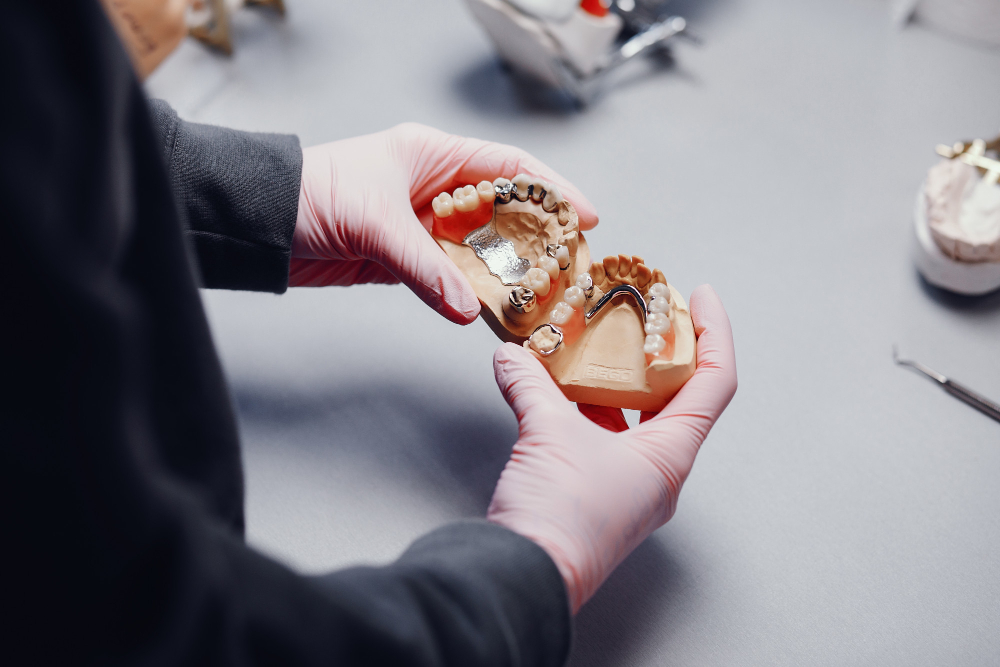
Dental crowns are tooth-shaped caps that fit over your natural tooth. They cover the entire visible part of the tooth above the gum line. Because they are custom-made, crowns look and feel like real teeth. Dentists use crowns to restore the shape, size, and strength of a tooth. Sometimes, they also improve how a tooth looks. According to the American Dental Association (ADA), crowns are a trusted way to fix many dental problems.
When Does a Tooth Need a Crown?
Not every damaged tooth needs a crown. However, there are several reasons your dentist may suggest one. For example, you might need a crown if:
In many cases, a crown is the best way to save a tooth and avoid removal. If you are unsure, your dentist can help you decide.
Common Causes of Tooth Damage
Teeth can get damaged for many reasons. Sometimes, it happens suddenly. Other times, damage builds up over years. Here are some common causes:
Because these problems are common, many people need dental crowns at some point in their lives.
Types of Dental Crowns
There are several types of dental crowns. Each type has its own benefits. Your dentist will help you choose the best one for your needs. The main types include:
Because each type has pros and cons, it is important to discuss your options with your dentist.
The Dental Crown Procedure: Step-by-Step
Getting a dental crown usually takes two visits. Here is what you can expect:
Sometimes, new technology allows dentists to make and place a crown in one visit. Ask your dentist if this is available in your area.
Benefits and Risks of Dental Crowns
Dental crowns offer many benefits. For example, they:
However, there are some risks. Sometimes, a crown can become loose or fall off. Rarely, you may feel sensitivity or discomfort. Infections are uncommon but possible. According to the ADA, most people do well with crowns when they follow their dentist’s advice.
Caring for Your Dental Crown
With proper care, dental crowns can last 5 to 15 years or longer. To keep your crown in good shape, follow these tips:
Because crowns are not as strong as natural teeth, gentle care is important.
Prevention: How to Protect Your Teeth
While dental crowns are helpful, it is best to prevent tooth damage in the first place. Here are some ways to protect your teeth:
By taking these steps, you can lower your risk of needing dental crowns or other dental work.
Conclusion
Dental crowns are a safe and effective way to protect damaged teeth. They restore strength, shape, and appearance. If you think you might need a crown, do not wait. Consult Dr. M.Y. Kiran Kumar to find out if a dental crown is right for you.