
What Is Bruxism (Teeth Grinding)?
Bruxism (teeth grinding) is a condition where people grind, gnash, or clench their teeth. Usually, this happens during sleep, but it can also occur when awake. Many people do not realize they have bruxism until symptoms appear. Because untreated bruxism can harm teeth and jaw health, it is important to know the signs and solutions. According to the American Dental Association, bruxism affects both children and adults.
Common Symptoms of Bruxism
Often, people with bruxism do not notice the grinding. However, there are signs that may point to this problem. For example, you might notice:
Because these symptoms can also come from other issues, it is important to talk to a dentist if you notice them.
Causes of Bruxism
There are many reasons why someone might grind their teeth. While the exact cause is not always clear, common triggers include:
Sometimes, more than one factor can lead to bruxism. For instance, stress and sleep problems often go together.
How Bruxism Is Diagnosed
Usually, dentists spot signs of bruxism during a regular check-up. They may notice worn teeth or ask about jaw pain. Sometimes, a sleep partner hears the grinding at night. In some cases, your dentist may suggest a sleep study to check for related problems, such as sleep apnea. Because early diagnosis can prevent damage, regular dental visits are important.
Night Guard Solutions for Bruxism
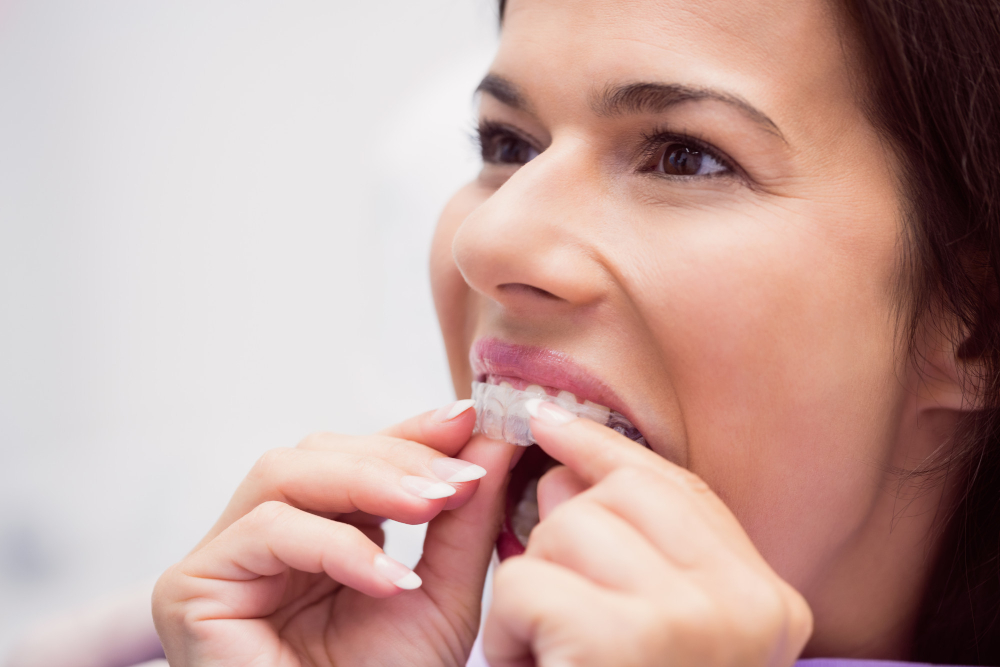
One of the most common bruxism treatment options is a night guard for teeth grinding. Night guards are soft or hard mouthpieces worn while sleeping. They help protect teeth from damage and ease jaw pain. There are several types of night guards:
Because custom guards offer the best fit and comfort, many dentists recommend them as the best night guard for bruxism. However, even over-the-counter options can help reduce damage.
Additional Tips to Manage Bruxism
Along with using a night guard, there are other ways to manage teeth grinding. For example, you can try:
Because every person is different, it may take time to find what works best for you.
Preventing Bruxism
While not all cases can be prevented, there are steps you can take to lower your risk. For instance, you can:
Because early action can prevent serious problems, staying aware of bruxism and its signs is important. If you think you may have bruxism, talk to your dentist about the best night guard for bruxism and other treatment options.
Conclusion
Bruxism can put excessive pressure on your teeth and jaw, potentially leading to tooth wear, sensitivity, jaw discomfort, and morning headaches. Identifying the underlying factors and using an appropriate night guard when recommended can help protect your teeth and reduce strain on the jaw.
Grinding or clenching your teeth at night?
Consult Dr. M.Y. Kiran Kumar for personalised evaluation and guidance on protecting your teeth.