
Introduction
Missing teeth can affect your smile and your health. Many people lose teeth due to injury, decay, or gum disease. However, dental implants for missing teeth offer a strong and lasting solution. In this blog, you will learn what causes missing teeth, the problems they bring, and how dental implants can help restore your smile.
What Causes Missing Teeth?
There are several reasons why people lose teeth. Sometimes, it happens because of an accident. Other times, it is due to health problems. Here are some common causes:
For example, the Centers for Disease Control and Prevention (CDC) notes that gum disease is a leading cause of tooth loss in adults.
Problems Associated with Missing Teeth
Missing teeth can cause more than just a gap in your smile. In fact, they can lead to several problems, such as:
Moreover, missing teeth can make it harder to keep your mouth clean, which may lead to more dental issues.
What Are Dental Implants?
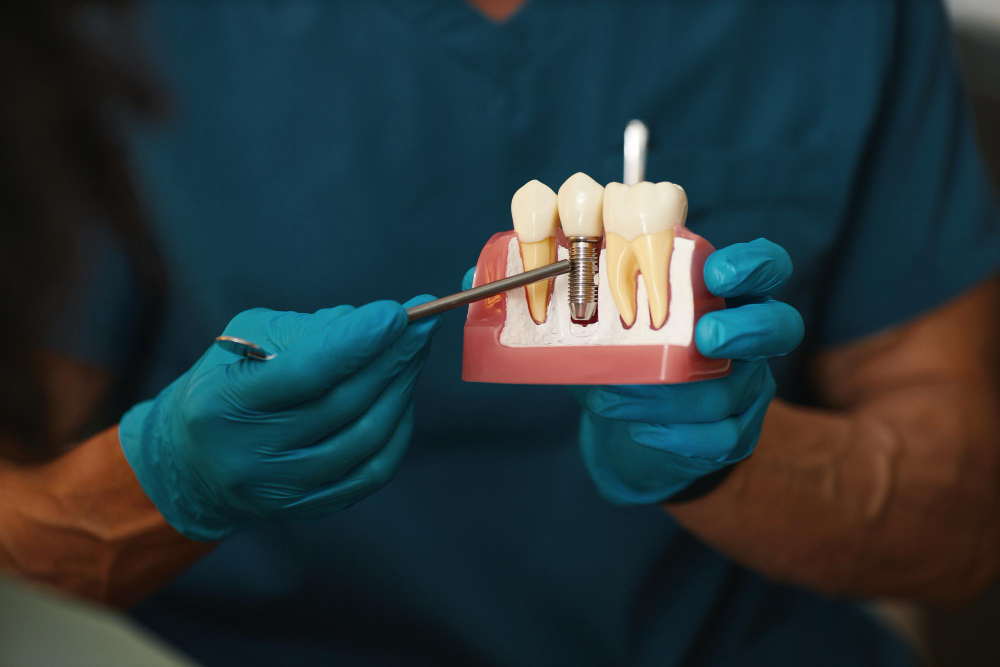
Dental implants are a popular tooth replacement option. They are small metal posts, usually made of titanium, that act like tooth roots. Dentists place them in your jawbone. After healing, a crown (artificial tooth) is attached to the implant. This creates a natural-looking and strong replacement for your missing tooth.
How Dental Implants Work
First, the dentist places the implant into your jawbone. Over time, the bone grows around the implant, holding it firmly in place. Then, a connector and a crown are added. As a result, the new tooth looks and works like a real one. Dental implants for missing teeth are safe and effective, according to the American Dental Association.
Benefits of Dental Implants
Dental implants offer many benefits over other tooth replacement options. For instance, they:
Additionally, dental implants do not require support from nearby teeth, which helps protect your remaining teeth.
Who Is a Good Candidate for Dental Implants?
Not everyone can get dental implants. However, most healthy adults are good candidates. You may be a good fit if you:
Still, only a dental specialist can decide if dental implants are right for you. Therefore, it is important to have a full dental check-up first.
The Dental Implant Procedure: Step-by-Step
The dental implant procedure usually takes several steps. Here is what you can expect:
Each step is important for a strong and lasting result. For those searching for “dental implants near me,” local dental clinics can guide you through each stage.
Aftercare and Recovery Tips
Proper care helps your dental implants last longer. Here are some tips to follow after your dental implant procedure:
With good care, dental implants can last many years or even a lifetime.
Preventing Tooth Loss in the Future
While dental implants are a great solution, it is best to prevent tooth loss in the first place. You can protect your teeth by:
As a result, you can keep your smile healthy and strong for years to come.
Conclusion
Missing teeth can affect your life in many ways. However, dental implants for missing teeth offer a safe and lasting solution. If you are thinking about tooth replacement options, talk to a dental specialist. They can help you decide if dental implants are right for you. For the best results, always follow your dentist’s advice and care tips.
Ready to restore your smile? Consult your dentist M.Y. Kiran Kumar today for personalized advice on dental implants.