
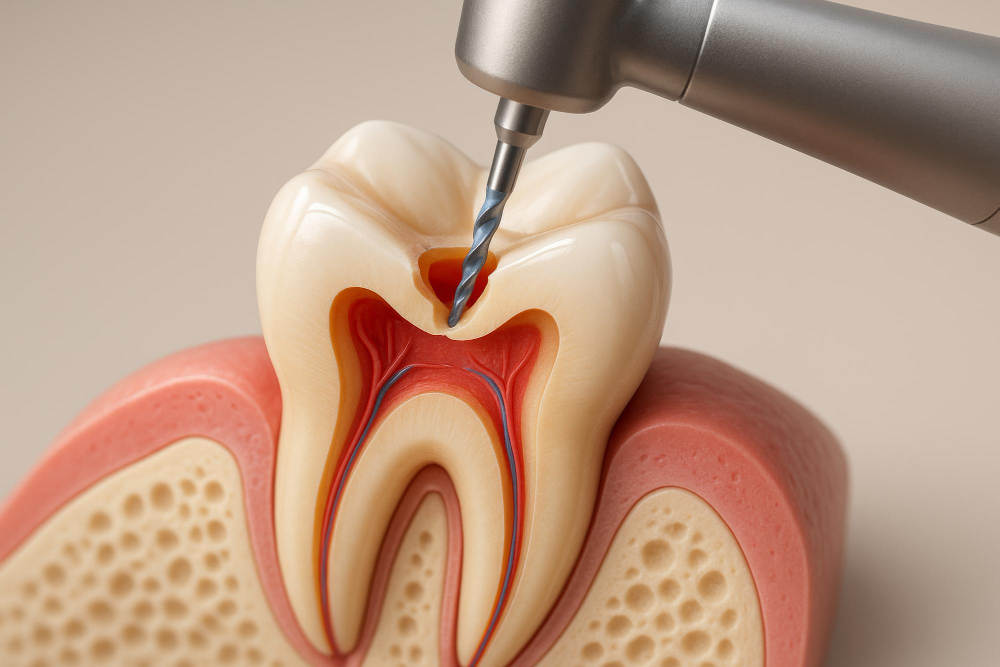
What Is Root Canal Treatment?
Root canal treatment is a dental procedure that can save a badly damaged or infected tooth. During this treatment, a dentist removes the infected pulp from inside the tooth. Then, the space is cleaned, filled, and sealed. As a result, the tooth can stay in your mouth and keep working. According to the American Dental Association, root canal treatment helps millions of people keep their natural teeth each year.
Signs You May Need a Root Canal
Sometimes, it is hard to know if you need a root canal. However, certain signs can help you decide when to see your dentist. For example, you may notice:
If you have any of these signs, you should visit your dentist soon. Early care can improve your chances of saving the tooth.
When Can a Tooth Be Saved with Root Canal Treatment?
Many people wonder, “Can my tooth be saved?” In most cases, root canal treatment can save a tooth if the damage is not too severe. If the tooth structure is strong and the infection has not spread too far, your dentist may recommend a root canal. However, if the tooth is cracked below the gum line or the bone around it is badly damaged, saving the tooth may not be possible. Still, your dentist will check all options before removing a tooth.
Causes That Affect Tooth Survival
Several causes can affect whether a tooth can be saved with root canal treatment. For instance, the following factors play a role:
Because every case is different, your dentist will look at these factors before making a decision.
Diagnosis: How Dentists Decide
First, your dentist will ask about your symptoms. Next, they will examine your mouth and take X-rays. These images help show the extent of the damage or infection. Sometimes, your dentist may tap on the tooth or check for swelling. Based on these findings, your dentist will decide if root canal treatment can save your tooth. If not, they will discuss other options with you.
Treatment Steps
Root canal treatment usually involves several steps. Here is what you can expect:
Most people feel better soon after the treatment. However, you may need a follow-up visit to check healing.
Prevention and Aftercare
After root canal treatment, good care is important for tooth survival. For example, you should:
With proper care, a tooth treated with a root canal can last many years. In fact, studies show that most treated teeth can last a lifetime.
Frequently Asked Questions
In summary, root canal treatment can save many teeth. However, the success depends on the extent of damage and timely care. Consult Dr. M.Y. Kiran Kumar to find out if your tooth can be saved with root canal treatment.